How to Work with an Anion Gap Calculator in Acid-Base Interpretation
What’s the Anion Gap?
The anion gap is a derived value used in acid-base interpretation to detect alterations in electrolytes that may point to an underlying acid-base issue. It examines the major measured positive ions and negative ions in the blood, mainly sodium and chloride, along with serum bicarbonate in the calculation. Although it is not a direct measurement of a single substance, it offers a useful overview of electrolyte balance and overall serum chemistry.
Clinically, the anion gap helps show the presence of unmeasured anions or an anion deficit that may not be obvious from routine laboratory values. Because the blood must stay electrically neutral, any gap between measured cations and anions hints that other ions are present but not directly listed on a standard electrolyte panel. That is why the anion gap is such a useful diagnostic aid in reviewing acid-base problems.
What Makes the Anion Gap Matters in Acid Base Interpretation
The anion gap matters because it helps sort metabolic acidosis into groups that shape the differential diagnosis. In many cases, the first question is whether the patient has a high anion gap metabolic acidosis or a normal anion gap metabolic acidosis. This contrast alters the clinical interpretation, next steps, and urgency of care.
In acid-base balance, the body relies on a carefully controlled buffer system involving bicarbonate, lungs, and kidneys. When acid builds up or bicarbonate is lost, the acid-base balance changes. The anion gap helps determine whether that shift is due to increase of acids that create unmeasured anions or due to direct bicarbonate loss with compensatory chloride retention.
In practice, the anion gap is part of broader clinical interpretation. It should not be used alone. Instead, it is interpreted with symptoms, blood gas data, the electrolyte panel, and the overall clinical picture. That combined approach helps prevent missed diagnoses and improves the accuracy of acid-base interpretation.
How an Anion Gap Calculator Operates
An anion gap calculator is a straightforward instrument that uses a typical formula to estimate the gap from routine laboratory values. Most calculators require serum sodium, serum chloride, and serum bicarbonate. Some versions also incorporate albumin so they can provide a corrected anion gap.
The core logic is clear: sodium is the main measured cation, while chloride and bicarbonate represent major measured anions. The calculator evaluates these values to estimate the amount of unmeasured ions in the blood. This makes it a fast diagnostic aid when checking a patient’s electrolyte panel or serum chemistry.
Using an anion gap calculator can help clinicians and learners quickly spot whether the result suggests a metabolic problem. It is especially helpful when assessing metabolic acidosis, because the gap may point toward lactate, ketones, toxins, or kidney-related acid retention. The calculator does not replace judgment, but it makes interpretation more effective.
Anion Gap Formula and Normal Ranges
The most widely used anion gap formula can be written as:
Anion gap = serum sodium - (serum chloride + serum bicarbonate)
Some laboratories rely on slightly different methods or reference methods, but the concept is identical. The result is then checked against the lab’s reference range. A typical normal anion gap is often around 8 to 12 mEq/L, though the exact range varies by the laboratory and measurement method.
Because the normal range can vary, it is important to interpret the number using the local reference range rather than a single universal cutoff. The presence of albumin also influences the expected result. Since albumin is a negatively charged protein, lower levels can make the anion gap appear falsely low unless an albumin adjustment is made.
In other words, a “normal” result is not always truly normal. Knowing the formula, the lab’s reference range, and the effect of albumin can make the calculation more accurate and clinically useful.
How to Read a High Anion Gap
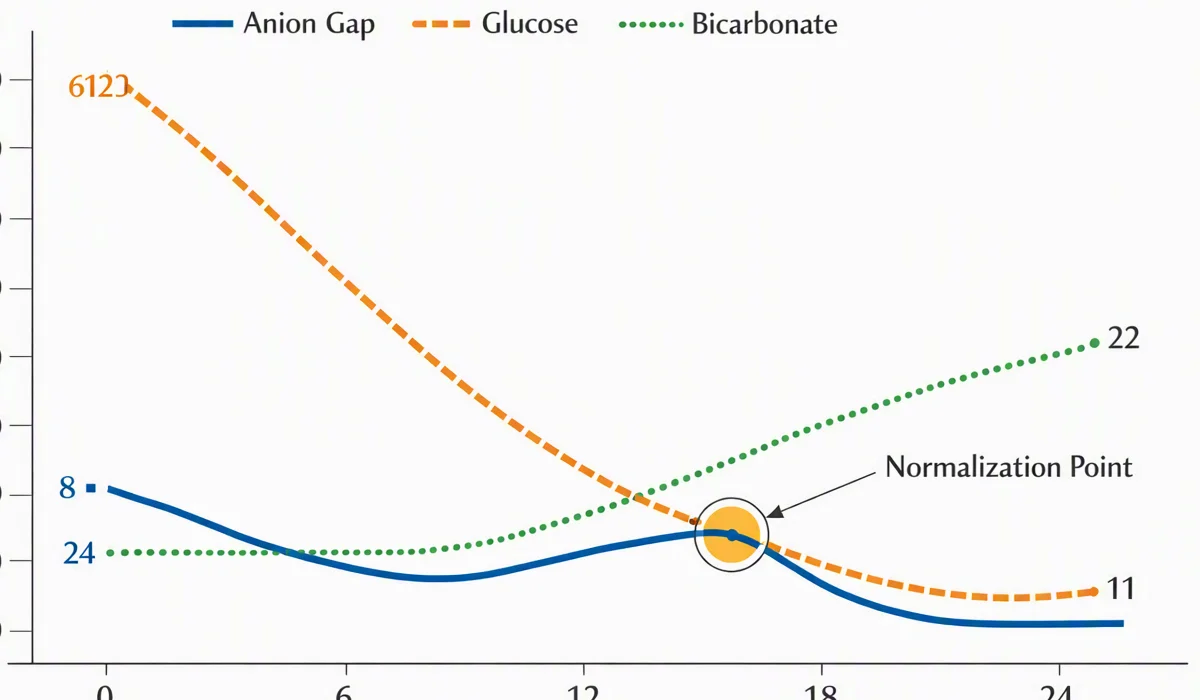
A elevated anion gap metabolic acidosis indicates that acids are piling up in the body and producing unmeasured anions. This is usually the initial sign to severe illness. Frequent causes include lactic acidosis, ketoacidosis, renal failure, and specific poisonings.
Lactic acidosis happens when lactate builds up due to poor perfusion, shock, severe infection, seizures, or other conditions that reduce oxygen delivery or utilization. Ketoacidosis may occur in diabetes, starvation, or alcohol-related states, where ketones become the primary acids. In both settings, the body’s buffer system is overrun, and the anion gap rises.
Renal failure can also result in a high gap because the kidneys cannot excrete acid efficiently, causing retention of acids and unmeasured anions. This makes kidney function an key part of the differential diagnosis.
When the anion gap is increased, the interpretation should concentrate on the likely source of acid production or impaired clearance. The calculator can help identify the problem, but the cause still needs clinical correlation with history, medications, symptoms, and lab testing.
How to Interpret a Standard Anion Gap
A normal anion gap metabolic acidosis usually means the body is excreting bicarbonate or gaining chloride, rather than forming a large amount of unmeasured acid. In this setting, the total gap stays close to the reference range even though the patient still has a clear acid-base disorder.
Common causes include bicarbonate loss from diarrhea and reduced renal acid handling from renal tubular acidosis. These conditions often lead to a hyperchloremic pattern, where the chloride level rises as bicarbonate falls. That pattern keeps the anion gap relatively stable while the bicarbonate level declines.
Recognizing this pattern matters because anion gap a normal anion gap does not rule out serious disease. A patient with severe diarrhea or renal tubular acidosis can still be quite acidotic. In these cases, the anion gap calculator helps with the broader clinical interpretation by showing that the acid-base disorder is present even if the gap is not elevated.
Serum Albumin Compensation and Why It Changes the Result
Serum albumin is one of the key unmeasured anions in the blood. When hypoalbuminemia is present, the reported anion gap may be decreased than expected because there are less negatively charged proteins contributing to the gap. That is why albumin correction is so important.
A adjusted anion gap modifies the result to match the patient’s albumin level. This helps avoid missing a true high-gap disorder in someone with low protein levels. In clinical terms, the correction improves reading and reduces false reassurance.
Albumin adjustment is especially helpful in hospitalized patients, those with chronic illness, malnutrition, liver disease, or inflammatory conditions. In these settings, low albumin can mask a clinically important elevation in the gap. Using a corrected value improves the accuracy of acid-base interpretation and helps reveal whether hidden acids are present.
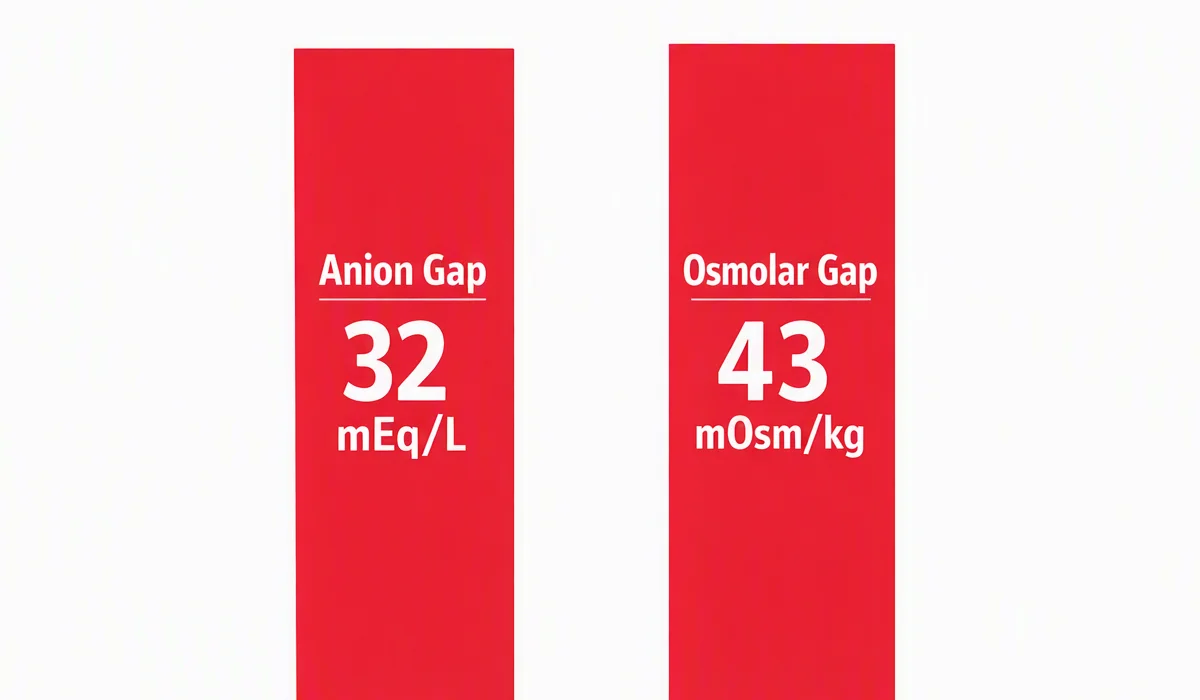
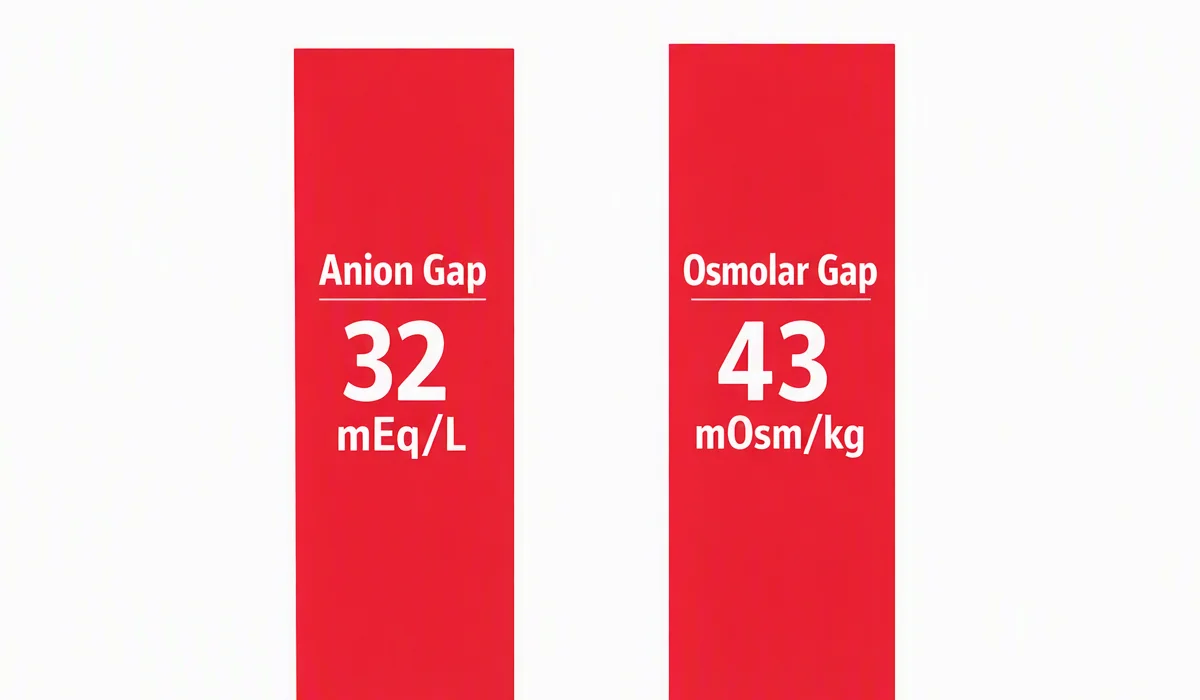
Because albumin is a major protein in serum, even moderate changes can affect the result. A calculator that includes albumin adjustment is often better than a basic formula alone.
Common Causes of Anion Gap Abnormalities
Several conditions can shift the anion gap, and a careful differential diagnosis is essential. Sources of high-gap acidosis often include toxins, uremia, and significant metabolic stress. Other common examples include salicylates and ethylene glycol.
Uremia from advanced kidney dysfunction can raise retained acids and widen the gap. Salicylates may produce a complex acid-base picture, sometimes with a mixed disorder, so the anion gap is only one part of the assessment. Ethylene glycol exposure is a toxic ingestion anion gap calculatoranion gap that can lead to severe high-gap acidosis, often with additional clues on blood testing and clinical history.
Low or normal gap abnormalities are also important. These often reflect bicarbonate loss, chloride gain, or albumin changes rather than an accumulation of classic organic acids. The key is not only to calculate the number but also to tie it to the patient’s presentation, medication list, renal function, and possible toxic ingestion.
Detailed Example Calculations
This is a simple worked example using common lab values:
- Sodium: 140
- Chloride: 102
- Bicarbonate: 24
Using the formula:
Anion gap = 140 - (102 + 24) = 14
If the lab’s reference range is 8 to 12, this result is modestly increased. Depending on the clinical context, the patient may need further evaluation for incipient high-gap metabolic acidosis, mild ketosis, lactate elevation, or another cause of increased unmeasured anions.
Now consider a second example:
- Sodium: 138
- Chloride: 110
- Bicarbonate: 18
Anion gap = 138 - (110 + 18) = 10
This result is within a typical reference range, but the low bicarbonate indicates acidosis. That pattern suggests normal anion gap metabolic acidosis, which should prompt evaluation for diarrhea, renal tubular acidosis, or other sources of bicarbonate loss.
These illustrations demonstrate how a calculator can aid interpretation by linking serum sodium, serum chloride, and serum bicarbonate to the larger clinical picture.
Limitations and Common Mistakes
Although a dependable anion gap calculator has drawbacks. A frequent error is assuming the result alone establishes a diagnosis. The gap is an indicator, not a final answer. A further concern is laboratory error, which can affect the calculation if one of the input values is inaccurate.
Another significant mistake is missing a mixed acid-base disorder. For instance, a patient can have a high-gap acidosis and a concurrent metabolic alkalosis or respiratory disorder that makes the numbers harder to interpret. In these situations, reliance on the calculator alone can lead to misclassification.
Albumin effects are also frequently overlooked. Without albumin correction, a clinically important high-gap disorder may be missed in a patient with hypoalbuminemia. In short, the calculator is most useful when combined with clinical context, a blood gas, and careful review of the full chemistry panel.
When to Seek Clinical Evaluation
An abnormal gap should be interpreted alongside the patient’s symptoms and overall condition. Signs such as rapid breathing, confusion, vomiting, dehydration, severe weakness, chest discomfort, or altered mental status may require prompt evaluation. A blood gas can help clarify the severity of the acid-base problem and show whether compensation is present.
Further concern is warranted when there are significant electrolyte abnormalities, suspected toxic ingestion, worsening kidney function, or evidence of severe acidosis. Because metabolic acidosis can progress quickly, some patients need urgent care rather than routine follow-up.
When an abnormal result appears with concerning symptoms, the anion gap calculator should be treated as a beginning point, not the endpoint. The next step is a full clinical evaluation that may include repeat labs, toxicology testing, renal studies, and a more detailed acid-base assessment.
Common Questions
What does an anion gap calculator measure?
An anion gap calculator estimates the variation between measured cations and measured anions in the blood. It uses serum sodium, serum chloride, and serum bicarbonate to spot unmeasured anions and support acid-base interpretation. It is a useful diagnostic aid for detecting metabolic acidosis and related disorders.
What is normal anion gap range?
A standard reference range is often about 8 to 12 mEq/L, but the exact normal anion gap depends on the laboratory and method used. Always interpret the result using the local lab’s reference values and consider whether albumin may be lowering the apparent gap.
How do you adjust the anion gap for albumin?
Albumin correction raises the result upward when hypoalbuminemia is present, because low albumin can hide a true elevation. The exact formula may vary, but the goal is the same: to calculate a more accurate corrected anion gap that reflects the patient’s true acid-base status.
What can cause a high anion gap metabolic acidosis?
Common causes include lactic acidosis, ketoacidosis, renal failure, uremia, and toxic ingestions such as salicylate poisoning and ethylene glycol poisoning. These conditions increase acids or unmeasured ions, leading to a high anion gap metabolic acidosis.
Can a normal anion gap still indicate a serious acid-base disorder?
Absolutely. A normal anion gap metabolic acidosis can still be medically important and may occur with diarrhea or renal tubular acidosis. The gap may stay normal because the problem is usually bicarbonate loss rather than accumulation of new acids, so the blood still shows a meaningful acid-base disorder.